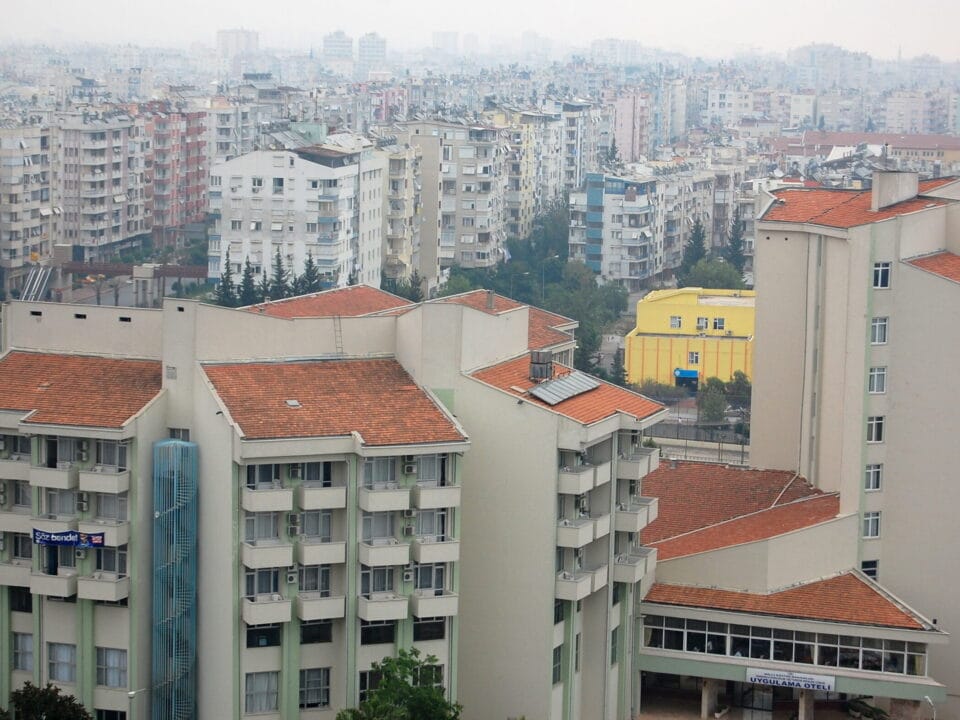
Real Estate Investment in Trabzon Turkey 2026: The Complete Guide for Foreign Buyers
June 5, 2026
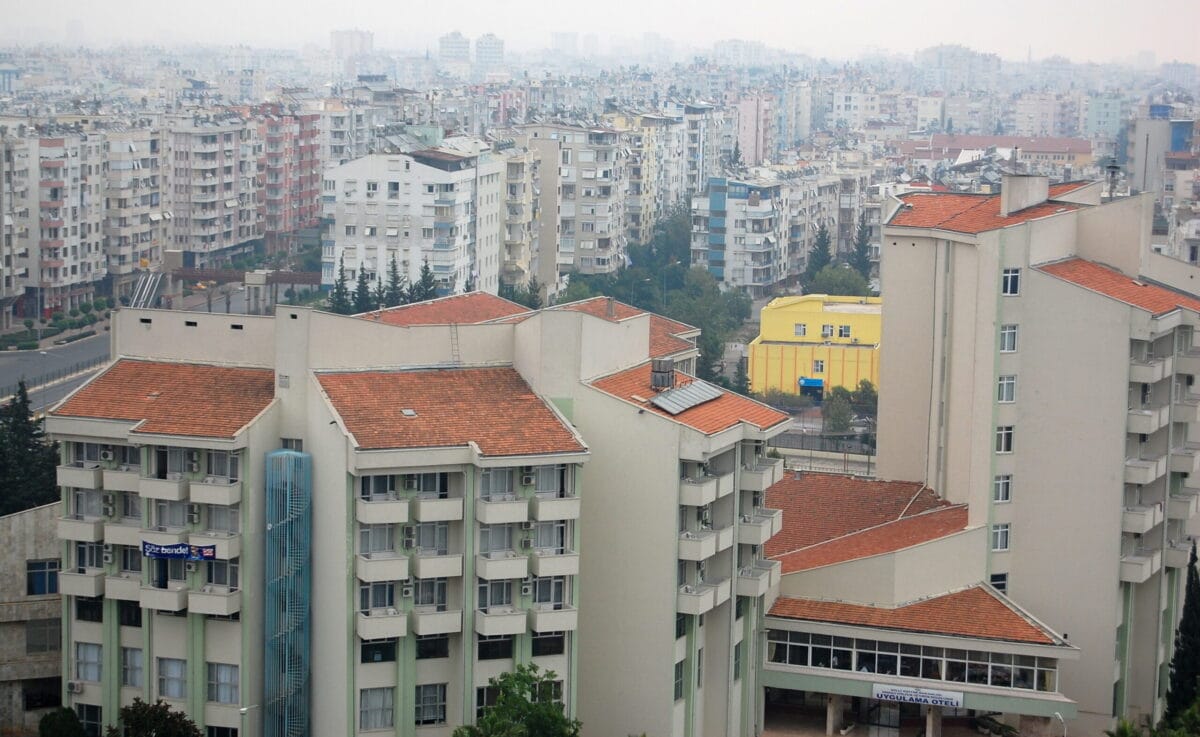
Best Rental Yield in Turkey 2026: Complete City-by-City Investment Guide
June 11, 2026
Buying off-plan property in Turkey has emerged as one of the most rewarding investment strategies for foreign buyers in 2026. As Turkey’s construction sector continues to boom, developers across the country are launching new residential projects at competitive pre-launch prices, giving savvy investors the opportunity to enter the market before values rise. Whether you’re focused on rental income, capital appreciation, or qualifying for Turkish citizenship by investment, off-plan purchases offer a compelling path forward — provided you understand the process, the legal landscape, and the risks involved.
Why Buying Off-Plan Property in Turkey Makes Financial Sense in 2026
The primary draw of buying off-plan property in Turkey is the price advantage. Developers typically sell units at 10–30% below the anticipated market value at completion, allowing investors to lock in gains before the project is finished. In high-demand areas such as Başakşehir (Istanbul), Kepez (Antalya), and the emerging coastal strip around Mersin, newly launched projects have historically delivered strong appreciation by delivery date.
Beyond price, off-plan developments in Turkey commonly come with flexible payment plans — often 30–40% down payment with the balance spread over the construction period of 12 to 36 months. This reduces the immediate capital outlay and allows investors to leverage their funds across multiple properties simultaneously. With Turkey’s residential real estate market attracting record foreign investment, demand from international buyers continues to support prices. According to data from the Turkish Statistical Institute (TÜİK), foreign nationals purchased over 35,000 properties in Turkey in 2024, a figure expected to grow further through 2026.
How the Off-Plan Buying Process Works in Turkey
Understanding the purchase process for buying off-plan property in Turkey is essential before you commit funds. The journey typically begins with a Reservation Agreement (Ön Sözleşme) — once you identify a project, the developer will request a deposit of $5,000–$20,000 USD to secure your unit at the agreed price. At this stage, verify that the developer holds a valid construction permit (yapı ruhsatı) from the local municipality.
The critical legal step is the Notarized Sales Promise Contract (Gayrimenkul Satış Vaadi Sözleşmesi), which must be signed before a Turkish notary and registered against the property title. This contract legally binds both parties and is the primary document protecting your investment during construction. Never proceed without this step.
Upon project completion, the Title Deed (TAPU) is transferred at the Land Registry Office. Foreign buyers must first obtain a foreign currency purchase certificate (Döviz Alım Belgesi) from a Turkish bank. Full TAPU procedures and documentation requirements are published by the General Directorate of Land Registry and Cadastre (TKGM).
A couple of practical safeguards worth adding before you commit: verify the developer’s credentials and building permit (yapı ruhsatı) through the e-Devlet portal before signing anything, and confirm the project has an escrow account set up for buyer deposits. And keep every SWIFT transfer and currency-conversion record from the moment you start paying — beyond being good practice, they’re exactly what you’ll need later to claim the VAT exemption on the purchase.
Legal Protections for Foreign Buyers of Off-Plan Property in Turkey
Turkey has strengthened buyer protections through its Consumer Protection Law and Real Estate Legislation. Key safeguards include mandatory project registration with the Ministry of Environment, Urbanisation and Climate Change before any pre-sales marketing; escrow account requirements for large projects (30+ units) to protect deposits; contractual penalties if the developer delays delivery; and the right to independent legal representation. Foreign buyers are strongly advised to engage a Turkish lawyer — independent from the developer — to conduct due diligence and review all contracts.
At Sun & Sands Real Estate, we work with a trusted network of independent Turkish property lawyers to ensure every stage of your off-plan purchase is legally protected.
How Developer Installment Plans Work
One of the biggest draws of buying off-plan in Turkey is the payment structure. Standard developer packages require only a 30–50% down payment, with the remaining balance spread across 24 to 48 months of interest-free installments paid directly to the developer — bypassing Turkey’s notoriously high lira mortgage rates, which currently run at around 43% annually. Some premium projects offer plans extending to 60 months. Critically, most developer contracts are denominated in USD or EUR, insulating foreign buyers from Turkish lira volatility for the duration of the payment period.
Turkey also introduced stricter secure cashless payment requirements in 2026, mandating that all property transactions use traceable electronic payment systems. This protects foreign buyers from off-the-books practices and undocumented side agreements — keep every transfer and receipt, since the same paper trail is also what you’ll need if you’re claiming the VAT exemption on the purchase.
Best Locations for Off-Plan Investment in Turkey in 2026
Başakşehir and Beylikdüzü (Istanbul) continue to attract major residential developments backed by metro connectivity and strong rental demand from domestic migrants and expat professionals. Kepez and Konyaaltı (Antalya) offer tourism-driven rental yields alongside growing permanent populations. Mersin, Turkey’s fastest-growing Mediterranean port city, delivers affordable entry prices with significant infrastructure investment driving long-term appreciation. Trabzon provides sea-view apartments well below the national price average, with a thriving short-term rental market fuelled by regional and religious tourism.
For the latest analysis on Turkey’s most promising property markets, explore our Sun & Sands investment insights blog, updated regularly with market data and location guides.
Risks to Consider — And How to Manage Them
Buying off-plan property in Turkey carries manageable risks that informed investors can mitigate. Construction delays are the most common issue — always include delivery deadlines and penalty clauses in your notarized contract. Developer insolvency is rare but real; mitigate this by reviewing the developer’s track record and confirming all required permits are in place before paying any funds. Specification changes can occur during construction, so ensure your contract specifies materials, finishes, and floor plans in detail. With proper legal guidance, the risk-adjusted returns on Turkey off-plan investment remain highly attractive.
Frequently Asked Questions
Can foreigners buy off-plan property in Turkey?
Yes. Foreign nationals can freely purchase residential and commercial property throughout Turkey. The TAPU (title deed) is issued upon contract execution and registered with the Turkish Land Registry (TKGM).
What is the minimum investment for Turkish citizenship through off-plan property?
$400,000 USD or the equivalent in approved property, maintained for at least three years without sale.
Are developer installment plans interest-free?
Yes, the vast majority of off-plan developer payment plans in Turkey carry 0% interest when paid directly to the developer. This is entirely separate from bank mortgage products, and it’s a meaningful advantage given Turkish lira mortgage rates currently run around 43% annually.
How long do off-plan projects take to complete?
Most off-plan projects in Turkey’s major cities complete within 18 to 36 months. Your contract should include a projected handover date with contractual penalty clauses protecting you in the event of delays.
Start Your Off-Plan Investment Journey With Sun & Sands
Navigating Turkey’s off-plan property market is far easier with an experienced partner by your side. At Sun & Sands Real Estate, our bilingual team has guided hundreds of international investors through successful purchases across Turkey’s most dynamic markets. We offer free initial consultations, end-to-end transaction support, and post-purchase property management — all under one roof. Contact Sun & Sands today for personalized recommendations on off-plan projects that match your budget, timeline, and investment goals. Your Turkish property success story starts here.