The Complete Guide to Mersin Real Estate Investment in 2026
June 13, 2026Best Areas to Buy Property in Istanbul 2026: District-by-District Investor Guide
June 14, 2026
Turkey has emerged as one of the most compelling buy-to-let destinations in the Mediterranean, and rental yield Turkey 2026 figures confirm why. With international tourist arrivals forecast to surpass 65 million this year, combined with sustained domestic demand for urban housing, savvy investors are achieving gross rental yields of 6–12% in the country’s most dynamic cities — well above the European average of 3–5%.
Understanding Rental Yield in Turkey
Rental yield is calculated as annual rental income divided by the property’s purchase price, expressed as a percentage. In Turkey, investors typically distinguish between two figures. Gross rental yield is the total annual rent divided by property price — typically 6–10% in Turkey’s strongest markets. Net rental yield deducts running costs such as maintenance, management fees, taxes, and insurance, usually running 1–2 percentage points below gross. Turkey’s rental market is split between short-term (holiday-let) and long-term residential segments, and both performed strongly in 2025 heading into 2026.
Best Cities for Rental Yield Turkey 2026
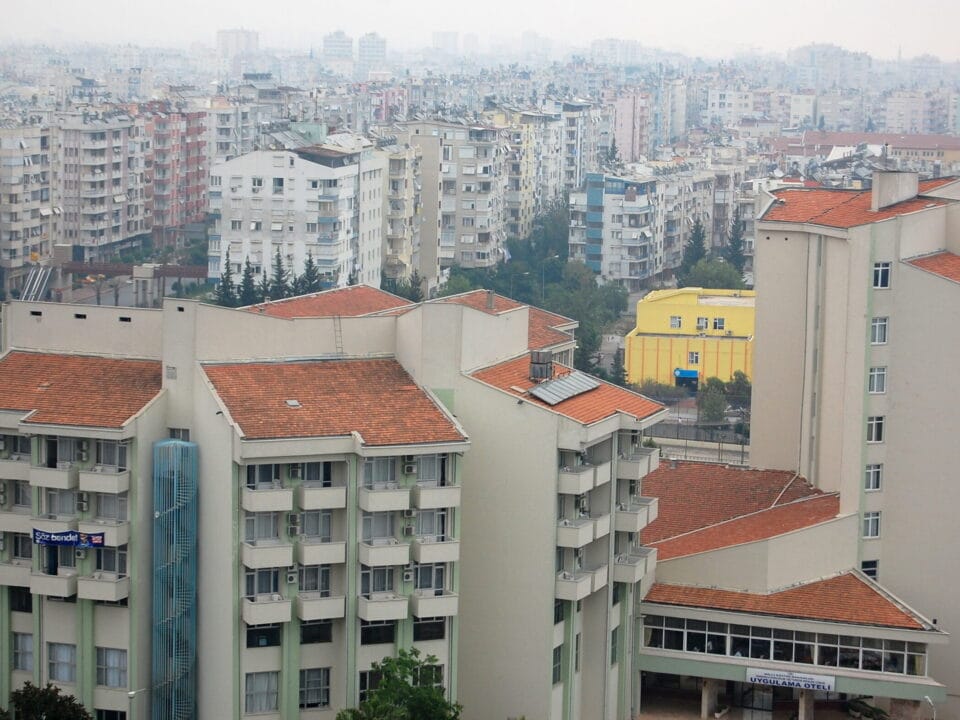
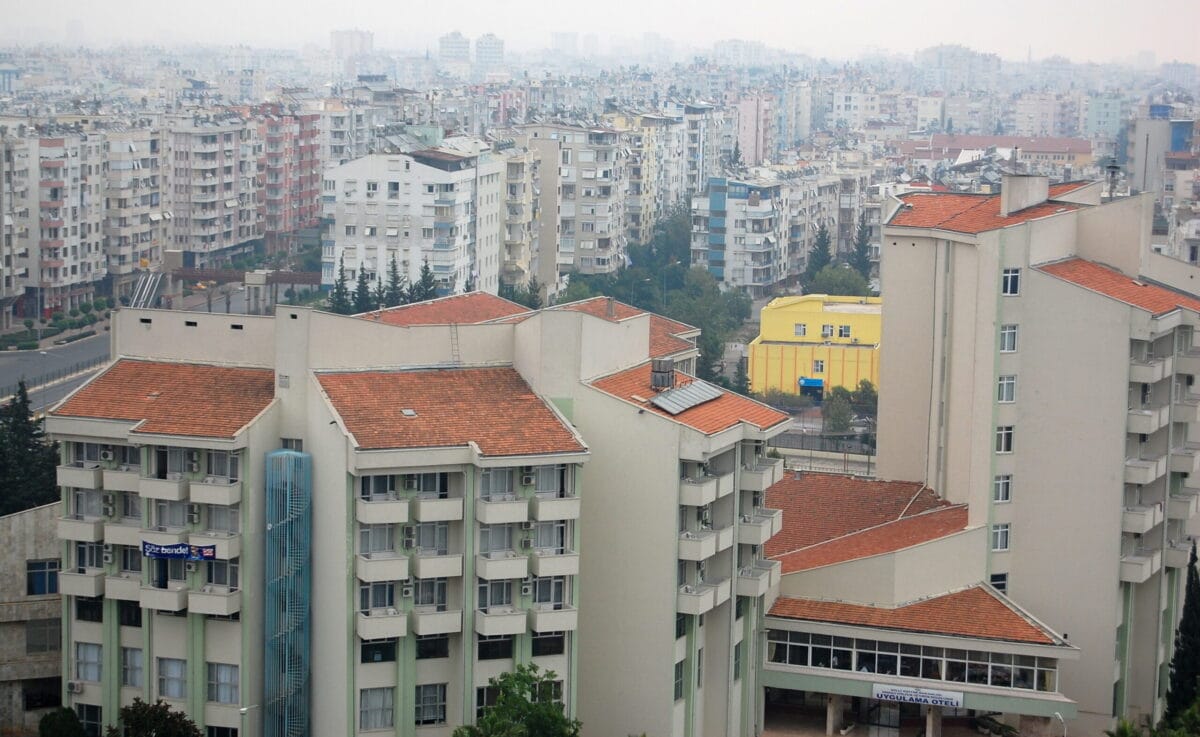
Mersin — Turkey’s fastest-growing Mediterranean port city — is one of the most underrated buy-to-let markets in the country. With a population of 1.8 million, two large universities, and a thriving commercial port, the city sustains strong year-round rental demand. One-bedroom apartments in central Mersin trade at $40,000–$65,000 while achieving monthly rents of $350–$550, translating to gross yields of 8–10%.
Fethiye on the Turquoise Coast is a star short-term rental market. British, German, and Dutch visitors return season after season, generating occupancy rates of 75–85% between May and October. Well-located holiday apartments here can achieve seasonal gross yields of 8–12%, making the city a perennial favourite with European buy-to-let investors.
Bursa, Turkey’s fourth-largest city and a major industrial hub, attracts steady long-term demand from professionals and students. Property prices remain moderate ($55,000–$100,000 for a two-bedroom), while the city’s universities and Uludağ ski resort sustain year-round occupancy. Gross yields average 7–9%.
Trabzon on the Black Sea coast has become a magnet for Gulf Arab buyers, particularly Saudis and Emiratis, pushing both property values and rental demand upward. Sea-view apartments regularly achieve gross yields of 7–10%, with short-term holiday lets growing in popularity.
Kepez (Antalya) offers entry-level buy-to-let opportunities with strong fundamentals. New-build studios and one-bedroom units priced at $35,000–$55,000 are achieving long-term rental yields of 8–11% — an excellent option for budget-conscious investors seeking high-percentage returns.
Rental Yield Turkey 2026 — Key Structural Drivers
Tourism growth. Turkey welcomed a record 57 million foreign visitors in 2024, and 2026 arrivals are forecast to surpass 65 million according to Invest in Turkey. Rising visitor numbers directly inflate short-term rental income in resort cities.
Currency advantage. Foreign investors purchasing in USD or EUR benefit from Turkey’s exchange rate, acquiring properties at lower effective costs while collecting rents partially in stronger currencies from international tenants.
Young, urbanising population. With a median age of 33 and ongoing rural-to-urban migration, Turkey’s cities face structural residential demand that supports long-term rental occupancy. According to the Turkish Statistical Institute (TÜİK), residential rents across Turkey rose an average of 38% in 2024 — a trend benefiting landlords in strong locations.
VAT exemption for foreign buyers. Qualifying foreign buyers are exempt from the 20% VAT on new property purchases, significantly reducing acquisition costs and improving overall return on investment.
Costs That Affect Your Net Rental Yield
To accurately model your net yield, account for: a 4% title deed (TAPU) transfer tax on purchase; annual property tax of 0.2–0.6% of assessed value; property management fees of 10–15% of rental income if using an agency; maintenance costs of roughly 1–2% of property value per year; and Turkish income tax on rental earnings (with an annual exemption threshold updated each year).
Short-Term vs. Long-Term Rentals
For resort cities such as Fethiye, Marmaris, and Trabzon, short-term holiday lets typically generate higher gross yields but require active management and depend on seasonal demand. Licensing requirements introduced since 2023 mean investors must obtain a short-term rental permit from the relevant municipality. For urban centres such as Mersin, Bursa, and Kepez, long-term residential lets offer stable year-round income with lower management overhead — ideal for investors seeking truly passive returns.
Whether you are focused on short-term holiday income or stable long-term yield, Sun & Sands Real Estate can identify the right city, property type, and price point for your target returns. Our team has helped hundreds of international investors acquire income-generating properties across Turkey. Explore our latest available properties and see current listings with rental income projections.
Ready to maximise your rental yield in Turkey? Contact the team at Sun & Sands today for a free, no-obligation consultation. We handle everything from property selection and due diligence to rental management and legal support — so you can invest with confidence in one of 2026’s most rewarding real estate markets. Get in touch now and let us put your capital to work.