Turkish Bank Mortgage for Foreigners 2026: The Complete Guide
August 16, 2026
Capital Gains Tax on Property in Turkey 2026: The Complete Guide for Foreign Sellers
August 22, 2026
If you’re buying property in Turkey, understanding earthquake insurance for property in Turkey isn’t optional — it’s a legal requirement and a financial safeguard. Turkey sits across several active fault lines, and the 2023 earthquakes made the stakes painfully clear. Every residential title deed transfer requires proof of compulsory coverage, known locally as DASK. This guide walks foreign buyers through what this mandatory policy actually covers, what it costs in 2026, and how to secure it before closing.
What Is Earthquake Insurance for Property in Turkey?
This mandatory policy, called DASK (Doğal Afet Sigortaları Kurumu), is the Turkish Catastrophe Insurance Pool. It was introduced after the 1999 İzmit earthquake, which killed over 17,000 people. Since then, DASK has become a condition for registering any residential title deed. Without it, the land registry cannot complete your property transfer.
DASK covers physical damage to the building structure caused by earthquakes and related events, including fire, explosion, tsunami, and landslide triggered by seismic activity. It does not cover the contents of your home, furniture, or injury to people. For that, buyers typically add a separate home contents policy.
How Much Does DASK Coverage Cost in 2026?
DASK premiums are calculated using three factors: the size of the property in square metres, the earthquake risk zone, and the building’s construction type. A typical 100 m² apartment in Istanbul’s higher-risk districts might cost between 3,000 and 6,000 Turkish lira per year, though prices are reviewed annually and can shift with inflation.
Private supplementary earthquake insurance, which covers amounts above the DASK cap, is optional but recommended for higher-value properties. DASK payouts are capped per unit, so luxury apartments and villas often need extra protection to fully rebuild after a major event.
Understanding Turkey’s Earthquake Risk Zones
Turkey’s disaster agency divides the country into seven seismic hazard zones, from zone 1 (highest risk) to zone 7 (lowest). Istanbul, Izmir, and much of the Aegean and Marmara coastline fall into zones 1 and 2, which carry higher DASK premiums but also reflect real seismic activity. Before buying, ask your agent for the building’s exact risk zone and construction permit date — buildings built after 2000 generally follow stricter reinforced-concrete codes.
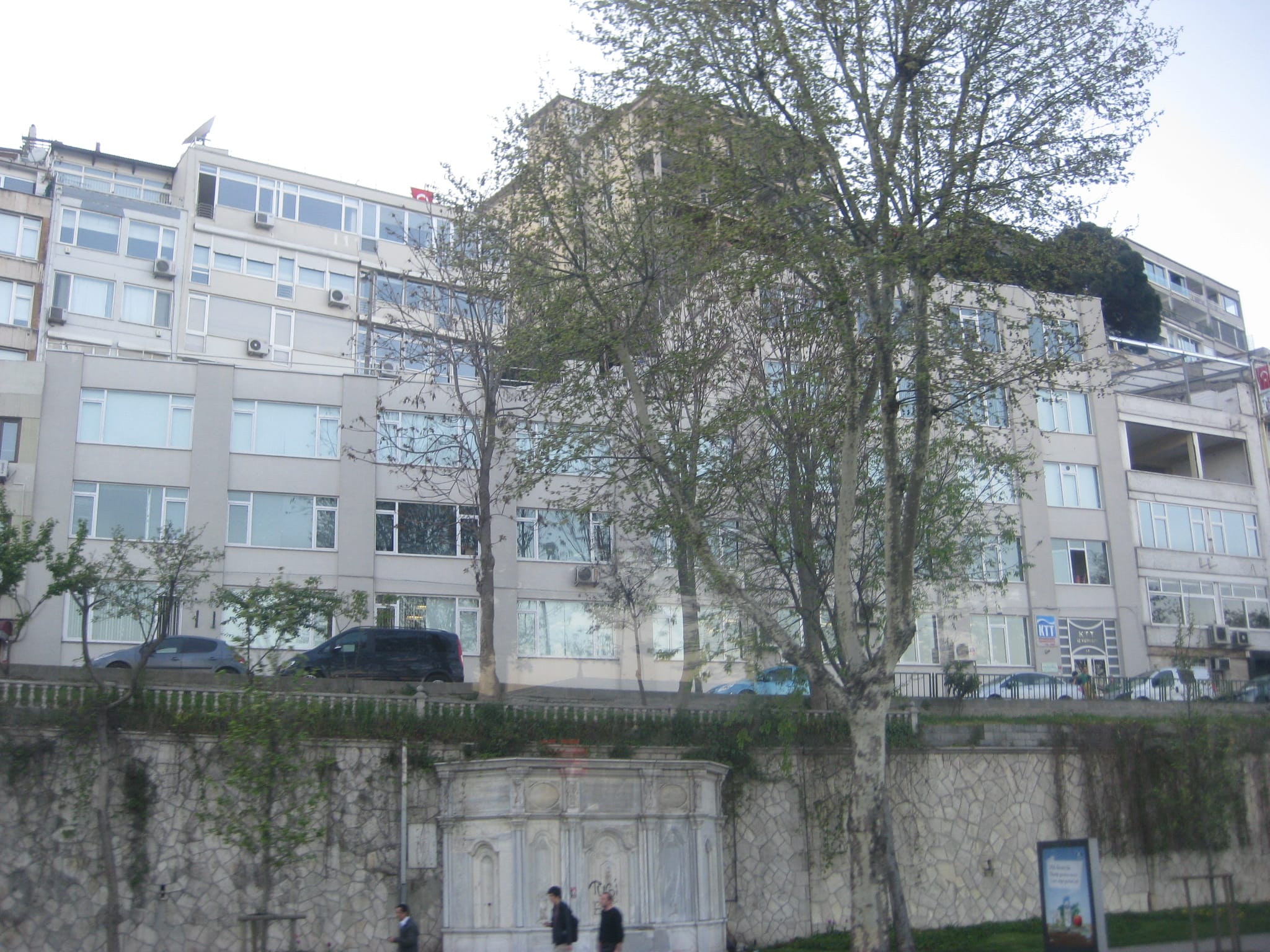
Newer buildings with an official occupancy certificate and post-2019 construction permits must meet Turkey’s updated seismic code, which significantly reduces structural risk. Always verify a building’s earthquake resistance report before finalizing your purchase.
How to Get Earthquake Insurance for Property in Turkey: Step-by-Step
Get your building’s details ready
Collect the property’s address, construction year, number of floors, and total square metreage. Your real estate agent or the seller can usually supply this from the title deed.
Request quotes from licensed insurers
DASK policies are sold through licensed Turkish insurance companies and banks, not directly by the government agency. Compare two or three quotes since the risk-zone calculation is standardized but service fees vary.
Provide your Turkish tax number
You’ll need a Turkish tax identification number to purchase any insurance policy, the same number required for opening a bank account or completing a property purchase.
Pay the premium and receive your policy number
Payment is usually made in Turkish lira, and you receive a DASK policy number immediately. Keep this document — the land registry will ask for it.
Submit proof of coverage at the Tapu office
Present your DASK policy number when transferring the title deed. Without it, the notary or land registry cannot finalize your purchase.
Renew annually before expiration
DASK policies last one year. Set a reminder to renew, since a lapsed policy can delay future refinancing, resale, or insurance claims.
Documents and Costs You’ll Need
Before applying for DASK coverage, gather the following:
- Turkish tax identification number
- Full property address and postal code
- Title deed copy or preliminary sale contract
- Building construction year and total floor count
- Valid ID or passport copy
Optional add-ons to discuss with your insurer:
- Supplementary earthquake cover above the DASK cap
- Home contents insurance for furniture and belongings
- Landlord liability insurance if you plan to rent the property
Common Mistakes Foreign Buyers Make
- Assuming DASK covers home contents — it only covers the building structure
- Buying a policy after the title deed transfer instead of before
- Forgetting to renew annually, which invalidates continuous coverage
- Skipping supplementary insurance on high-value properties
- Not checking the building’s risk zone before purchase
Frequently Asked Questions
Is earthquake insurance for property in Turkey mandatory for foreign buyers?
Yes. DASK is required by law for every residential title deed transfer in Turkey, regardless of the buyer’s nationality.
How much does earthquake insurance for property in Turkey typically cost?
Premiums usually range from around 2,000 to 8,000 Turkish lira per year, depending on the property’s size, location, and risk zone.
Can I buy this insurance before I have a Turkish tax number?
No. Insurers require a Turkish tax identification number, which you can obtain quickly and free of charge at any local tax office.
Does DASK cover apartment contents or only the building?
DASK only covers the physical structure. Contents like furniture and appliances need a separate home insurance policy.
What happens if my DASK policy lapses?
A lapsed policy can block resale, refinancing, or a future title deed transfer until you renew it, and you lose continuous claims history.
Where can I verify official DASK rates and rules?
You can check current rates and regulations directly on the DASK official website or through Turkey’s General Directorate of Land Registry.
Get Expert Help With Your Turkish Property Purchase
Understanding this coverage is one piece of a bigger legal puzzle. Sun & Sands’ legal assistance team can guide you through DASK, title deed transfer, and every other step — see our full buyer’s guide for more. For official rules, consult the Turkish Land Registry (TKGM) and the DASK official portal. Contact Sun & Sands today for a free consultation and make your Turkish property purchase fully protected.