Şişli Property Investment 2026: The Complete Guide for Foreign Buyers
September 14, 2026
Apartment Renovation Costs in Turkey 2026: The Complete Guide for Foreign Buyers
September 22, 2026
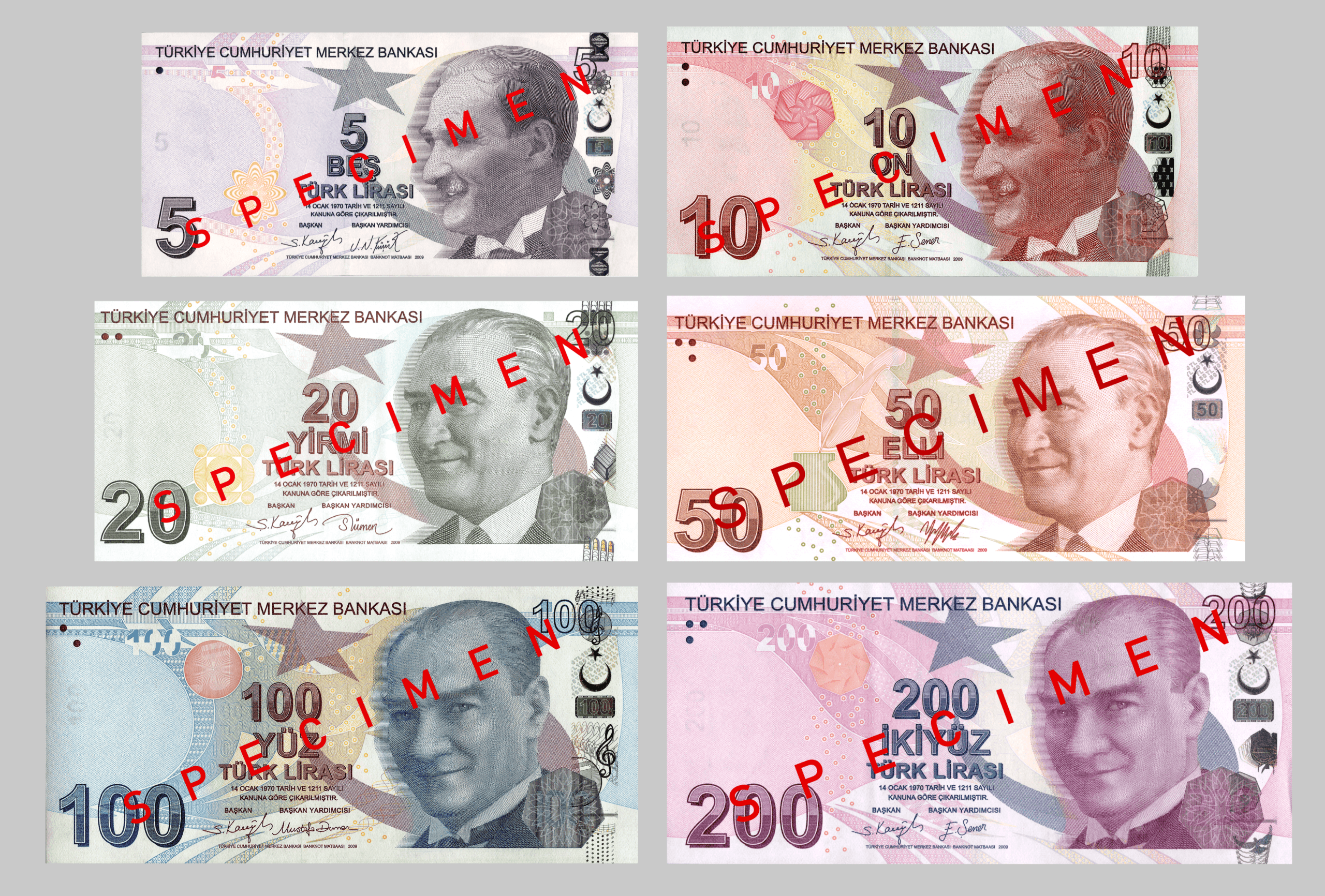
Currency risk in Turkey is one of the biggest financial variables foreign buyers overlook. Turkey prices most homes in US dollars, euros, or British pounds. Yet you still settle bank transfers, notary fees, and closing costs in a mix of currencies. The lira has lost significant value against the dollar over the past decade. A shift in exchange rates between your offer and your final payment can add thousands to your bill. This guide explains how the process works and how to protect your budget.
Sun & Sands works with international buyers every week who ask the same question. They want to know when to convert their money and how to avoid losing value to a bad rate. The good news is that currency risk is manageable with the right timing and the right partners. You do not need to be a currency trader to protect your investment. You only need a clear plan before you sign a contract.
Why Currency Risk in Turkey Affects Every Foreign Buyer
Turkey’s inflation rate has stayed in double digits for several years. The central bank has let the lira float more freely since 2023. This means the exchange rate can move several percentage points in a single month. If a developer prices an off-plan apartment in US dollars, your lira cost changes daily. If your bank quotes a rate that is worse than the market rate, you lose money on every transfer. Buyers who plan their currency strategy in advance protect far more of their budget than those who convert money at the last minute. Even a well-located, well-priced property can end up costing more than expected once exchange-rate losses are added in.
This volatility is not unique to Turkey, but it is more pronounced here than in most markets Sun & Sands covers. Buyers from the US, UK, and Gulf states often assume a fixed sale price protects them completely. In practice, only the currency you pay in protects you. A price fixed in dollars still shields you from lira depreciation between contract and completion.
Steps to Protect Your Money From Currency Risk in Turkey
Follow these steps before you wire a single euro or dollar to Turkey. Each step reduces the chance that a bad exchange-rate day costs you money.
Get a Firm Price in One Currency
Ask the seller or developer to confirm your price in a single currency, usually US dollars or euros. Avoid contracts that switch between lira and foreign currency partway through the payment plan.
Compare Transfer Rates, Not Just Bank Rates
Retail bank rates are rarely the best available rate. Compare a licensed money-transfer service against your bank before you send funds. A one-percent difference on a $200,000 purchase equals $2,000.
Time Transfers Around Payment Milestones
Off-plan payment plans usually have fixed dates. Move money a few days before each milestone so you are not forced to convert during a sudden lira swing.
Keep a Currency Buffer
Hold back an extra 3 to 5 percent of your budget in your home currency. This buffer absorbs a weak exchange-rate day without delaying your purchase or your closing date.
Confirm the Final Rate With Your Lawyer
Before you sign at the notary or land registry, ask your lawyer or agent to confirm the lira amount matches the agreed foreign-currency price exactly.
Common Costs and Pitfalls to Avoid
Even careful buyers lose money to currency risk in Turkey through small, avoidable mistakes. These slip-ups are easy to miss when you are juggling contracts, flights, and paperwork. Watch for these common pitfalls before you transfer any funds.
- Converting your full budget months before you need it
- Relying only on your home bank’s advertised exchange rate
- Ignoring wire-transfer and correspondent-bank fees
- Paying a lira-denominated deposit when the contract is priced in dollars
- Waiting until the notary appointment to arrange your transfer
Documents You Need for International Property Transfers
Turkish banks and notaries expect clear paperwork for every foreign-currency transfer. Missing documents can delay your transfer by days, right when timing matters most. Prepare these before you send money.
- Passport copy and Turkish tax number
- Proof of the source of funds, such as a bank statement or sale contract
- SWIFT transfer receipt showing your name as sender
- Foreign Exchange Certificate (Döviz Alım Belgesi) from your bank
- Purchase contract showing the agreed foreign-currency price
Frequently Asked Questions
How much does currency risk in Turkey typically cost buyers?
A 3 to 5 percent exchange-rate swing is common within a single payment plan. On a $150,000 property, that is $4,500 to $7,500 in unplanned cost.
Should I convert all my money to lira before I buy?
No. Most sellers price in foreign currency, so converting early just exposes your funds to the lira’s daily swings without any benefit.
Does Sun & Sands help clients manage currency risk in Turkey?
Yes. We connect clients with licensed transfer partners and confirm every contract price in writing before you send money.
What is the safest way to send money for a property purchase?
Use a licensed FX broker or regulated transfer service rather than a personal bank transfer between individuals. Keep every receipt for your tax file.
Can I lock in an exchange rate in advance?
Some transfer services offer forward contracts that lock a rate for 30 to 90 days. Ask your consultant whether this suits your payment schedule.
Is currency risk higher for off-plan purchases?
Yes, slightly. Off-plan contracts span months or years, so exchange rates have more time to move before your final payment is due.
Get Expert Guidance From Sun & Sands
Managing this risk does not have to be complicated, even if headlines about the lira sound alarming. Sun & Sands can walk you through payment timing, transfer partners, and contract terms before you commit any money. We work with buyers from the US, UK, Gulf states, and Iran who all face this same question. Contact our team today for a free consultation and a clear currency plan for your Turkish property purchase.
For related legal steps, see our guides to title deed transfer in Turkey and Turkish bank mortgages for foreigners. For official exchange-rate data, consult the Central Bank of the Republic of Turkey and Investment Office of the Presidency of Turkey.