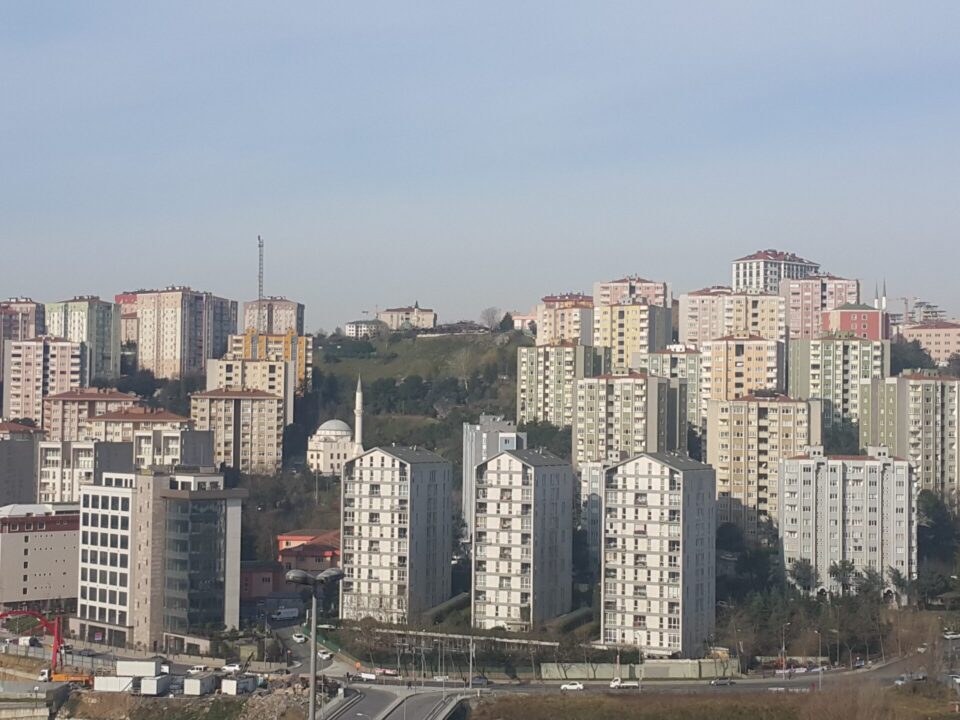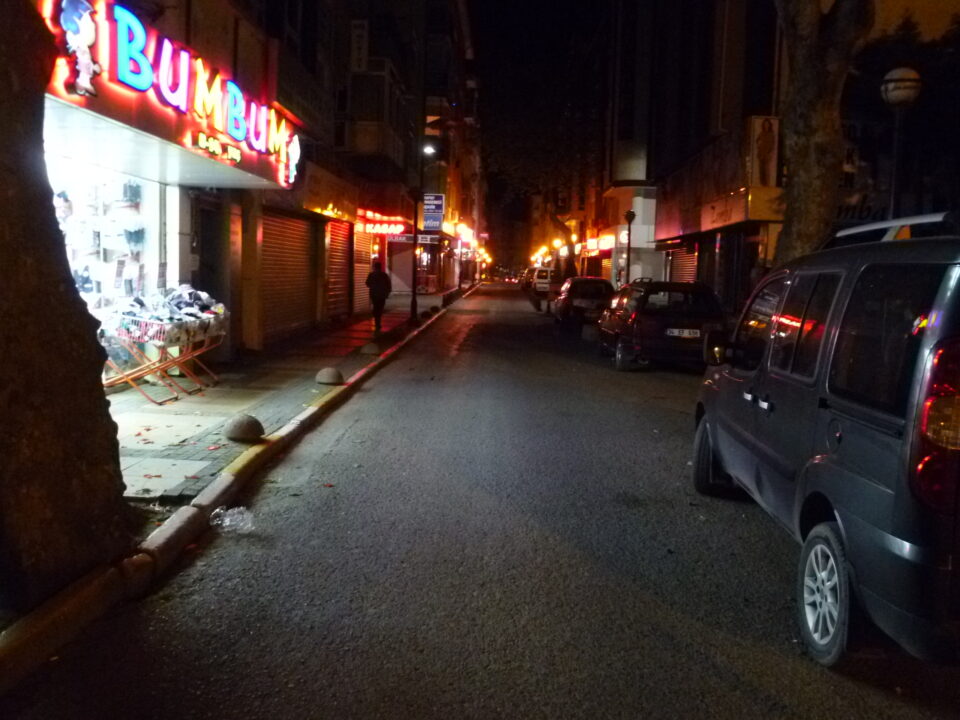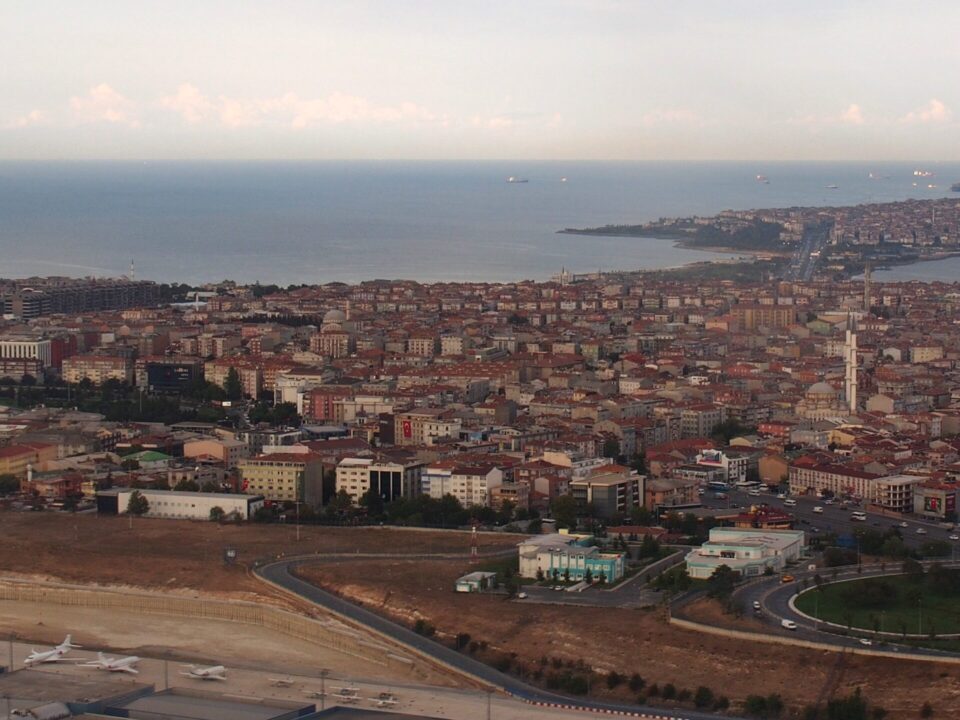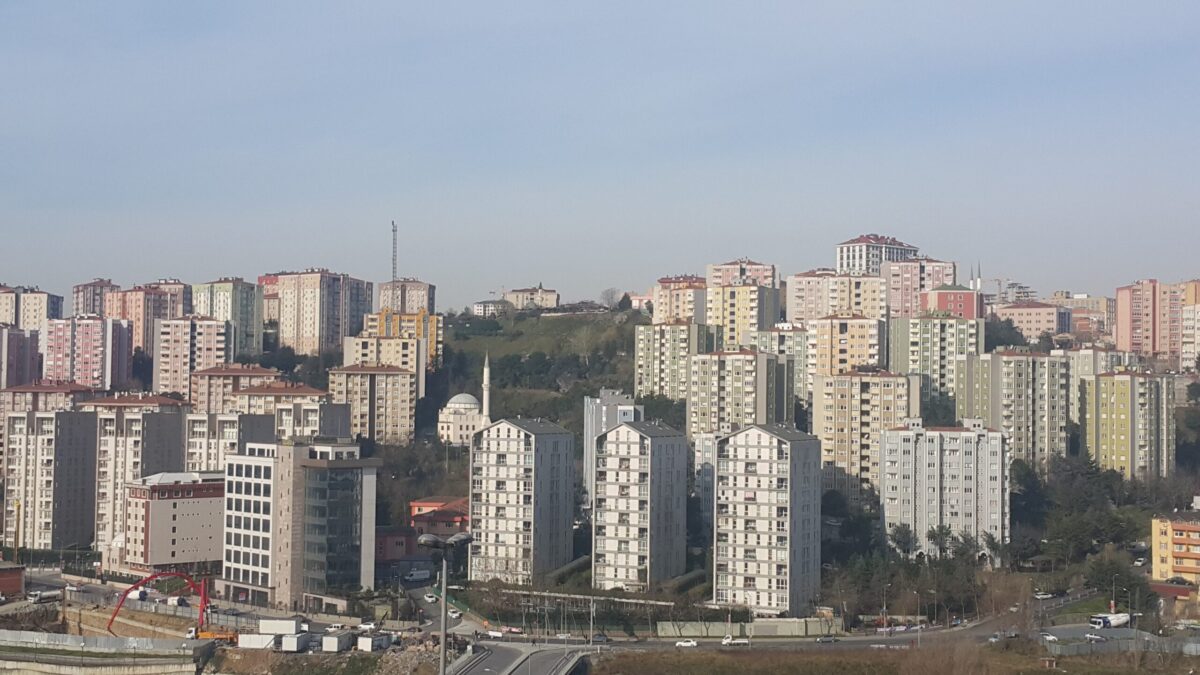
Kusadasi Property Investment 2026: The Complete Guide for Foreign Buyers
October 18, 2026
Kagithane Property Investment 2026: The Complete Guide for Foreign Buyers
October 20, 2026
Commercial property in Turkey is attracting more foreign investors every year. Shops, offices and mixed-use units can offer higher rental yields than apartments. This guide explains the rules, costs and risks in plain language.
Sun & Sands helps international buyers evaluate these deals every week. Below, we cover who can buy, which property types work, and how the purchase runs from offer to title deed.
Why Buy Commercial Property in Turkey?
Turkey combines a large consumer market with a fast-growing tourism sector. Istanbul, Ankara, Izmir and Antalya all show steady demand for retail and office space. Commercial leases are usually signed with companies. That can mean longer and more stable tenancies than short residential lets.
Gross yields are often quoted above those of residential flats. Results still vary by district, building quality and tenant. Treat headline numbers as a starting point, not a promise.
Which Types of Commercial Property Can Foreigners Buy?
Foreign individuals can generally buy shops, offices and other commercial units. Reciprocity and military-zone checks still apply. Most buyers choose one of four formats:
- Street-front shops in busy retail areas with strong foot traffic.
- Offices in business districts such as Levent, Maslak and Şişli.
- Serviced or hotel-style units in tourist zones along the coast.
- Mixed-use buildings with shops below and flats above.
You can also set up a Turkish company and buy through it. This route can simplify invoicing and VAT recovery. Speak with a tax adviser before you decide.
Best Cities and Districts for Commercial Investors
Istanbul remains the deepest market. Levent, Maslak and Şişli lead for offices, while Kadıköy and Beşiktaş suit high-street retail. Antalya and Bodrum favour seasonal shops and tourism services. Ankara offers steady demand from government-linked tenants. Izmir attracts logistics and technology firms. Always visit the street at different hours before you commit.
How to Buy Commercial Property in Turkey Step by Step
Define your budget and goals
Set your budget, target yield and preferred city. Decide whether you want a shop, an office or a mixed-use asset.
Shortlist and inspect
Visit the units with a local agent. Check the tenant, the lease and the condition of the building.
Order a legal check
Ask a lawyer to review the title deed, mortgages, liens and zoning. Commercial use must be registered.
Obtain the valuation report
A licensed appraiser prepares the mandatory valuation report. The Land Registry uses it to set the minimum declared value.
Sign the sale agreement and pay
Agree the price, deposit and payment schedule in writing. Use bank transfers so every payment is traceable.
Transfer the title deed (TAPU)
Both parties attend the Land Registry office, or use a power of attorney. The buyer pays the title deed fee and receives the new TAPU.
Register utilities and tax
Transfer electricity, water and internet to your name. Obtain a Turkish tax number if you do not have one.
Costs, Taxes and Yields to Expect
Budget for several costs on top of the purchase price. Typical items include:
- Title deed fee, commonly 4% of the declared value.
- VAT on many commercial purchases, often 20%, with no residential-style exemption.
- Valuation report, notary and sworn translation fees.
- Agent and legal fees, agreed in writing in advance.
- Annual property tax and building insurance.
Rental income is taxable in Turkey. Tenant companies often withhold part of the rent and pay it to the tax office. Rates change often, so confirm every figure with a licensed adviser before you sign.
Common Pitfalls to Avoid
Most problems are avoidable with simple checks. Before you buy, avoid these mistakes:
- Buying without checking zoning and usage permits.
- Ignoring the tenant’s credit history and lease terms.
- Underestimating service charges and renovation costs.
- Skipping the valuation and independent legal review.
- Trusting verbal promises of guaranteed rent.
Frequently Asked Questions
Can foreigners buy commercial property in Turkey?
Yes. Buyers from most countries can purchase shops, offices and similar units. Reciprocity rules and military-zone checks apply. Confirm your nationality with a lawyer before paying a deposit.
Does commercial property in Turkey qualify for citizenship?
In many cases, yes. Real estate worth at least USD 400,000 can qualify, with a three-year no-sale annotation on the deed. Rules change, so check the current requirements first.
What rental yield can I expect?
Gross yields are often quoted in the mid to high single digits. The result depends on city, location and tenant quality. Verify every figure against real lease data.
Do I need a Turkish company to buy?
No. Individuals can buy in their own name. A company can help with invoicing and VAT recovery, so ask a tax adviser which route suits you.
How long does a purchase take?
Most purchases take two to six weeks once documents are ready. Delays usually come from missing papers or an outstanding valuation report.
Talk to Sun & Sands Before You Invest
Ready to explore your options? Contact Sun & Sands for a free consultation. Our team will shortlist suitable units, check the paperwork and guide you through every step.
Plan your purchase with guidance from Sun & Sands. See also our citizenship by investment guide and book a free consultation. Official sources: Turkish Land Registry (TKGM) and Invest in Türkiye.