Buying Off-Plan Property in Turkey 2026: The Complete Guide for Foreign Investors
June 9, 2026
The Complete Guide to Mersin Real Estate Investment in 2026
June 13, 2026
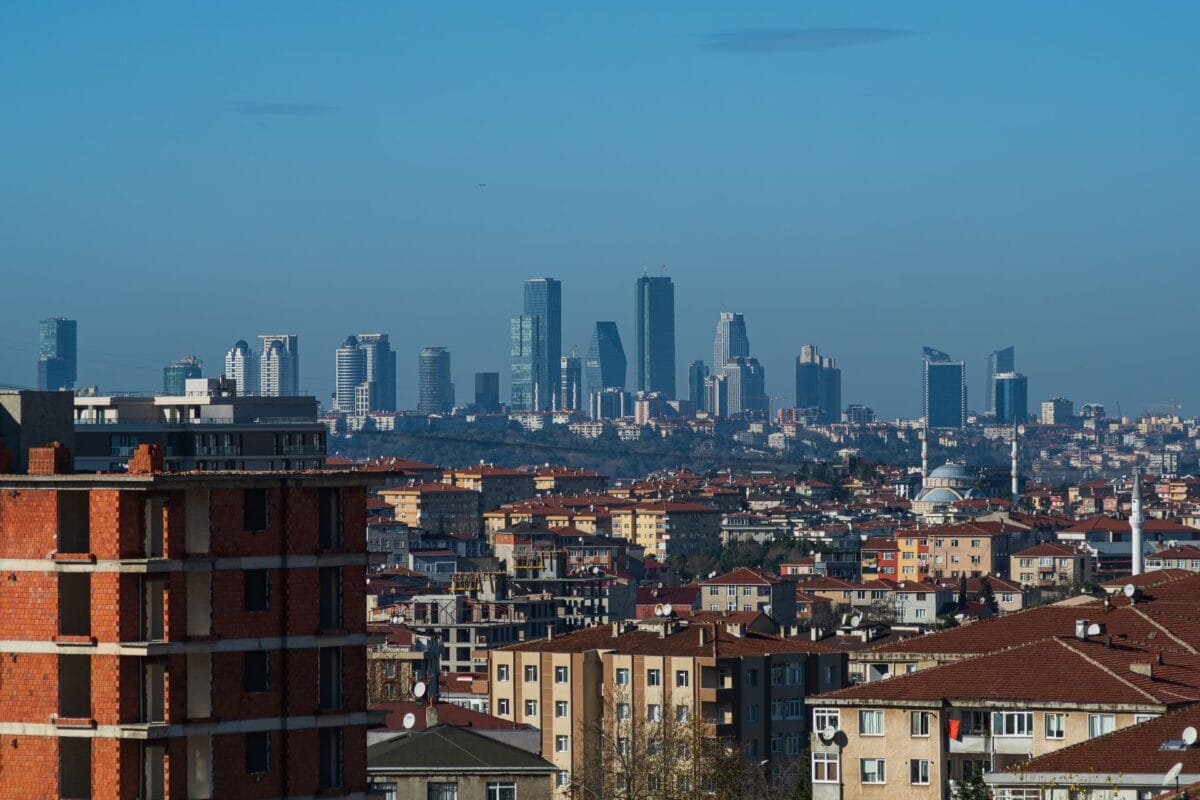
Understanding rental yield in Turkey 2026 is essential for any foreign investor looking to generate passive income through real estate. Turkey has emerged as one of the most attractive buy-to-let markets in the region, offering gross rental yields averaging 7.3% — far above the 3–5% typical in Western Europe. Whether you are considering a studio apartment in Istanbul or a beachfront property in Antalya, this guide breaks down the numbers city by city so you can make a confident investment decision.
Why Rental Yield in Turkey 2026 Is Attracting Global Investors
Turkey’s property market has experienced sustained demand growth driven by urbanisation, a young population, tourism expansion, and a rising wave of foreign buyers. According to the Turkish Land Registry (TKGM), foreign nationals purchased over 35,000 properties in Turkey in 2025, with demand continuing into 2026. At the same time, rents have surged by approximately 28% year-on-year nationwide, creating a strong environment for buy-to-let investors.
Net yields in Turkey average around 7.1%, making it one of the highest-yielding residential markets in Europe and the Middle East. For investors who have watched yields compress in cities like Paris, London, and Dubai, Turkey presents a compelling alternative with significant upside.
Best Cities for Rental Yield in Turkey 2026: City-by-City Breakdown
Istanbul remains Turkey’s most liquid and resilient rental market. The city’s diverse economy — spanning finance, tourism, technology, and manufacturing — drives year-round rental demand. Studio and one-bedroom apartments in central districts such as Beşiktaş, Kadıköy, and Beyoğlu typically achieve gross yields of 7–9%, while larger units in peripheral areas like Esenyurt and Başakşehir offer 6–8% with stronger capital appreciation prospects. Average rental times in Istanbul are around 21 days, reflecting deep demand.
Antalya is Turkey’s tourism capital and a favourite for short-term rental investors. Properties close to the city centre and the Konyaaltı coast can achieve gross yields of 8–11% when managed as short-term holiday lets via platforms such as Airbnb. Long-term tenants are plentiful during the off-season, providing a safety net for landlords who prefer stability. According to TÜİK (Turkish Statistical Institute), Antalya recorded the highest internal migration growth of any province in 2024, underpinning rental demand.
Bursa is Turkey’s fourth-largest city and one of the most underrated destinations for buy-to-let investors in 2026. Located just 90 minutes from Istanbul by fast ferry, Bursa has a thriving automotive and textile industry that generates steady rental demand from professionals and families. Gross yields of 6.5–8.5% are achievable, with entry prices significantly lower than Istanbul — making Bursa an excellent choice for investors seeking value.
Mersin, on Turkey’s Mediterranean coast, has emerged as a high-yield hotspot with gross returns of 8–10% on well-located apartments. As a major port city and a recipient of significant government infrastructure investment, Mersin offers strong long-term rental demand at entry prices that remain accessible for international buyers.
Ankara, Turkey’s capital, offers the lowest seasonality risk of all cities. Gross yields average 6–7.5%, and rental vacancy periods are among the shortest in the country at approximately 14 days, reflecting consistent demand from government workers, students, and diplomatic staff.
Key Factors That Affect Your Rental Yield in Turkey
Several variables determine the actual return you achieve. Property size is one of the most important: studios and one-bedroom units consistently outperform larger apartments on a yield-per-square-metre basis because they attract a wider pool of tenants — students, young professionals, and expats. Location within the city matters enormously; proximity to the metro, universities, business districts, or the seafront can lift yields by 1–2 percentage points. Short-term vs long-term rental strategy also plays a role: short-term lets (Airbnb, Booking.com) in tourist cities can double gross income but require active management or a property management fee of 15–25%.
Foreign investors should also factor in VAT exemption. Turkey exempts foreign buyers from the 18% VAT on first-time property purchases made in foreign currency — a saving that directly boosts overall ROI. For a detailed breakdown of the purchasing process, see our guide to Turkish citizenship by investment and our overview of buying property in Turkey.
How to Maximise Your Buy-to-Let Returns in Turkey
To optimise your rental yield in Turkey, consider the following strategies. First, target off-plan properties in high-growth districts: developers frequently offer payment plans with 30–50% discounts on the completed market price, meaning you can achieve both capital appreciation and strong yields. Second, work with a reputable local property manager who can handle tenant sourcing, maintenance, and legal compliance on your behalf. Third, ensure your title deed (TAPU) clearly shows you as the registered owner — this is the single most important legal document protecting your investment.
Currency dynamics also play a role. Turkey’s lira has experienced depreciation over recent years, which means foreign currency buyers (USD, EUR, GBP) benefit from lower property entry prices in real terms while rents — though paid in lira — continue to rise in nominal terms, partially offsetting currency risk.
Start Your Buy-to-Let Journey with Sun & Sands Real Estate
At Sun & Sands Real Estate, we specialise in helping international investors identify the highest-yielding properties across Turkey’s key markets. Our team provides end-to-end support — from shortlisting properties that match your yield targets to handling the legal process and connecting you with trusted property managers. Whether you are a first-time buyer or expanding an existing portfolio, we offer a free consultation to help you navigate the Turkish market with confidence. Contact us today and discover how to make the most of Turkey’s outstanding rental yield opportunities in 2026.